What is eyebright?
Eyebright (Euphrasia officinalis) is a small flowering plant that grows in meadows in Europe and other temperate regions. It is semi-parasitic, drawing some nutrients from the roots of neighboring grasses. Its white and purple flowers have a yellow spot that, according to old herbal tradition, resembled an eye, which is how the plant got its name. For centuries it has been used in European folk medicine, usually as a wash or compress, for red, irritated or watery eyes and for conjunctivitis. The plant contains flavonoids, iridoid glycosides and phenolic acids, which have antioxidant and anti-inflammatory activity in laboratory tests.

What the research says
The scientific evidence for eyebright is thin. A 2014 study in the Balkan Medical Journal tested eyebright extracts on human corneal cells in the lab. Ethanol and ethyl acetate extracts reduced the release of several inflammation-related signaling molecules, while a heptane extract was toxic to the cells at low concentrations. The authors concluded that any potential benefit depends on how the extract is made. A 2017 laboratory study tested eye drops containing eyebright and chamomile on corneal cells exposed to UVB light and found antioxidant and anti-inflammatory effects in the dish.
These studies were done on cells, not people, and they examined extracts applied directly to eye cells or eye drops, not capsules taken by mouth. There are no well-designed human trials showing that oral eyebright improves eyesight, relieves eye strain or helps any eye condition. Because eyebright washes and homemade eye drops can carry a risk of contamination and infection, eye doctors generally advise against putting non-sterile herbal preparations in the eyes.

How it’s used in supplements
Eyebright appears in some multi-ingredient vision formulas, herbal teas and homeopathic eye drops. In capsule blends it is usually present in small, undisclosed amounts alongside better-studied nutrients such as lutein and zeaxanthin. Little is known about its safety when taken by mouth for long periods, and there is no information about its safety during pregnancy or breastfeeding, so pregnant and nursing women should avoid it. People with diabetes should also be cautious, as safety data are lacking. If your eyes are red, painful, discharging or sensitive to light, see a healthcare provider rather than relying on an herbal remedy, since infections and inflammation may need prescription treatment.
When eyebright shows up on a supplement label, it is best viewed as a traditional ingredient rather than an evidence-based one. Its presence does not add much to a formula’s credibility, and its role is usually to reinforce an eye-focused marketing theme.
Safety and cautions
Little is known about the safety of oral eyebright; avoid during pregnancy and breastfeeding. Do not put non-sterile herbal preparations in the eyes. Red, painful or discharging eyes need medical evaluation.
Supplements we reviewed that contain it
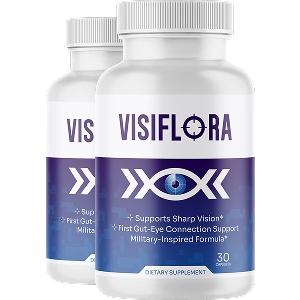
★★☆☆☆
VisiFlora reviewVisiFlora is a one-capsule daily eye supplement marketed around the gut-eye connection, listing 21 ingredients such as lutein, bilberry, saf...
Reader reviews
No reader reviews yet. If you have tried Eyebright, you can be the first to share how it went.
Reader reviews are personal opinions from visitors. We do not verify purchases, and reviews are not medical advice. We publish positive and negative reviews alike; see our review guidelines.
Write a review
Sources
- Assessment of eyebright (euphrasia officinalis L.) extract activity in relation to human corneal cells using in vitro tests. Balkan Med J, 2014
- Pharmacological activities of an eye drop containing Matricaria chamomilla and Euphrasia officinalis extracts in UVB-induced oxidative stress and inflammation of human corneal cells. J Photochem Photobiol B, 2017