What is corydalis?
Corydalis is a genus of flowering plants in the poppy family. The tuber-like root of Corydalis yanhusuo, called yanhusuo, has been used for centuries in traditional Chinese medicine, usually in formulas meant to ease physical discomfort. Related species, including Corydalis turtschaninovii, are used in a similar way in parts of East Asia.
The root contains a range of alkaloids. The best known are tetrahydropalmatine and dehydrocorybulbine (DHCB), which interact with dopamine receptors in the brain. Supplements typically use concentrated extracts, such as a 10:1 extract, which means about 10 parts of dried root were used to make 1 part of extract.
What the research says
The most cited study is a 2014 paper in Current Biology from the University of California, Irvine. Researchers isolated DHCB from corydalis and showed that in mice it reduced responses to heat-induced acute pain and was also effective in models of inflammatory pain and injury-induced nerve pain, without the animals developing tolerance. The effect appeared to work mainly through dopamine D2 receptors. The authors described DHCB as a promising lead for pain research, which is an early, laboratory-stage finding.
Human evidence is limited. A 2004 controlled trial at the University of Chicago gave healthy volunteers a single oral dose of corydalis extract or angelica extract and used the cold-pressor test, where participants place a hand in ice water. Pain intensity and bothersomeness scores decreased, with a dose-related effect. This was a short laboratory test in healthy people, not a trial in people with a medical condition.
There are no large randomized trials of corydalis for nerve health or any nerve condition. Overall the evidence is preliminary: interesting mechanisms and early results, but not enough to know how well it works in everyday use.
How it’s used in supplements
Corydalis appears in traditional Chinese formulas, single-herb extracts, and blends marketed for comfort or sleep. Because some of its alkaloids have calming effects, it may cause drowsiness, and it should not be combined with sedatives, sleep medicines or alcohol without medical advice.
Liver safety deserves attention. A 2023 case series described two people who developed liver injury while taking a sleep aid containing corydalis, with liver tests improving after stopping it, and a 2025 study reported that corydalis could trigger idiosyncratic liver injury in experimental models. Such reactions appear rare, but anyone with liver disease should ask a doctor first, and anyone who notices yellowing of the skin or eyes, dark urine or unusual fatigue should stop and seek care. Safety in pregnancy and breastfeeding has not been established, so avoid it during those times.
Safety and cautions
May cause drowsiness; avoid with sedatives, sleep medicines and alcohol. Rare case reports of liver injury: ask a doctor first if you have liver disease, and stop and seek care if you notice jaundice or dark urine. Not established as safe in pregnancy or breastfeeding.
Supplements we reviewed that contain it
★★★☆☆
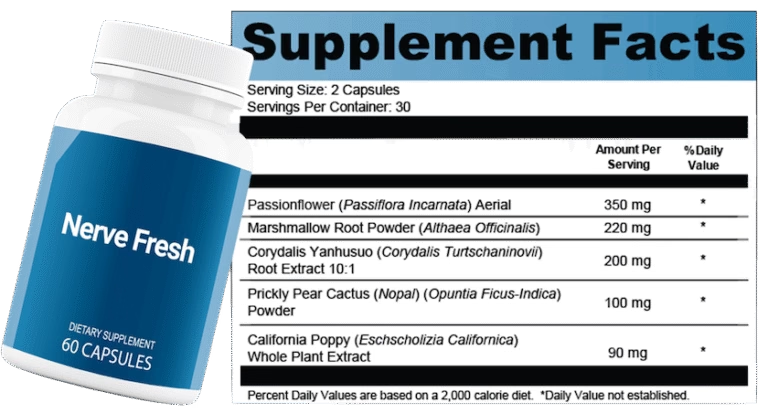
Nerve Fresh reviewNerve Fresh is a fully disclosed capsule of passionflower, marshmallow root, corydalis, prickly pear and California poppy for everyday nerve...
Reader reviews
No reader reviews yet. If you have tried Corydalis, you can be the first to share how it went.
Reader reviews are personal opinions from visitors. We do not verify purchases, and reviews are not medical advice. We publish positive and negative reviews alike; see our review guidelines.
Write a review
Sources
- A novel analgesic isolated from a traditional Chinese medicine. Curr Biol, 2014
- Effects of Corydalis yanhusuo and Angelicae dahuricae on cold pressor-induced pain in humans: a controlled trial. J Clin Pharmacol, 2004
- Corydalis and Drug-Induced Liver Injury: A Series of 2 Cases. ACG Case Rep J, 2023
- A New Discovery: Corydalis yanhusuo Causes Idiosyncratic Hepatotoxicity and Its Potential Mechanisms. Biomed Chromatogr, 2025