What is coenzyme Q10?
Coenzyme Q10, often shortened to CoQ10 and also called ubiquinone (or ubiquinol in its reduced form), is a vitamin-like substance that the body makes on its own. According to NCCIH, the highest levels are found in the heart, liver, kidneys and pancreas. CoQ10 sits in the mitochondria, the energy centers of cells, where it helps turn food into usable energy, and it also works as an antioxidant that protects cell membranes. Small amounts come from foods such as organ meats, fatty fish, beef, chicken and some nuts and oils.
The body’s CoQ10 levels tend to decline with age and can be lowered by statin cholesterol medicines, which is one reason it is a popular supplement among older adults.
What the research says
NCCIH reports that CoQ10 has been studied for heart failure, high blood pressure, statin-related muscle pain, Parkinson’s disease and other conditions, with inconclusive or negative results for most of them. It notes some evidence that CoQ10 may reduce certain complications of heart surgery and may reduce heart damage from one type of chemotherapy drug.
For hearing, the research is early. Because the inner ear is very energy-demanding and sensitive to oxidative stress, researchers have looked at CoQ10 for age-related hearing changes. In a 2010 Italian study, 60 adults with age-related hearing loss were split into three groups: a water-soluble CoQ10 formulation at 160 mg a day, vitamin E at 50 mg a day, or placebo, each for 30 days. The CoQ10 group had better pure-tone hearing thresholds at several frequencies than the vitamin E group, while other hearing measures did not differ. The authors described the data as preliminary and called for a larger trial. Overall, CoQ10’s role in hearing is an open research question rather than an established benefit.
How it’s used in supplements
Supplements usually provide 30 to 200 mg a day, and some studies have used higher amounts. CoQ10 is fat-soluble, so it is better absorbed with a meal that contains some fat; water-soluble and ubiquinol forms are designed to improve absorption. NCCIH notes that no serious side effects have been reported, although insomnia and digestive upset can occur. CoQ10 may interact with warfarin, possibly making it less effective, and with insulin, and it may not be compatible with some cancer treatments. People taking these medicines, as well as anyone who is pregnant or breastfeeding, should talk to a doctor before using it.
Safety and cautions
Generally well tolerated; may cause insomnia or digestive upset. May interact with warfarin, insulin and some cancer treatments. Talk to your doctor if pregnant or breastfeeding.
Supplements we reviewed that contain it
★★★☆☆
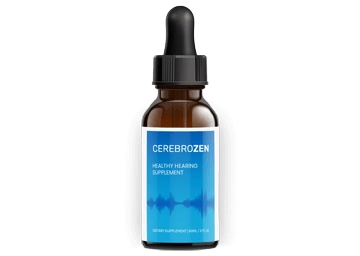
CerebroZen reviewCerebroZen is a daily liquid supplement for hearing and brain support with ginkgo, magnesium, NAC, glutathione, CoQ10, alpha-GPC and lion's ...
Reader reviews
No reader reviews yet. If you have tried Coenzyme Q10, you can be the first to share how it went.
Reader reviews are personal opinions from visitors. We do not verify purchases, and reviews are not medical advice. We publish positive and negative reviews alike; see our review guidelines.
Write a review
Sources
- Coenzyme Q10. NCCIH
- Water-soluble coenzyme Q10 formulation (Q-TER(®)) in the treatment of presbycusis. Acta Otolaryngol, 2010