What is clove oil?
Clove oil is an essential oil distilled from the dried flower buds, leaves or stems of the clove tree, Syzygium aromaticum (also listed as Eugenia caryophyllus). Its main component is eugenol, the compound behind clove’s strong, warm scent (Kamatou et al., 2012). Clove has a long history in cooking, and eugenol is included in many dental preparations (Kamatou et al., 2012). Clove bud oil also appears in skin and nail products marketed for fungal problems.

What the research says
The antifungal evidence for clove oil is mostly from laboratory studies. In one study, clove essential oil and its vapor strongly inhibited spore germination and growth of several fungi that infect skin and nails, including Trichophyton rubrum, Trichophyton mentagrophytes, Epidermophyton floccosum, Microsporum audouinii and Candida albicans. Direct contact with the oil killed the fungi, while the vapor only stopped their growth (Chee and Lee, 2007).
Lab results like these are a starting point, not proof of a treatment. They do not show whether clove oil, diluted in a product and applied to a thick toenail, reaches the fungus in high enough amounts, or whether it clears infection in people. We found no controlled human trials of clove oil for toenail fungus. Dermatologists note that home remedies for nail fungus have only small studies behind them and that their effectiveness is still unknown (AAD).

How it’s used in products
Clove oil is used as a flavoring, in dental products, in aromatherapy blends and in topical skin and nail products, usually as one of several essential oils. Concentrations are rarely disclosed.
On safety, eugenol at the low concentrations typical of consumer products appears to have a very low potential to cause skin allergy: a survey of more than 11,000 patch tests found only two reactions (Rothenstein et al., 1983). Still, a review of eugenol’s safety singles out contact dermatitis as the main concern given how widely clove oil is used (Kamatou et al., 2012), and concentrated or undiluted oil is more likely to irritate than a diluted product. Use it diluted, keep it away from the eyes and out of reach of children, do not swallow it in medicinal amounts, and stop if redness or a rash appears. If you take prescription medicines, or are pregnant or breastfeeding, check with a doctor or pharmacist before using essential oils medicinally.
Safety and cautions
Contact dermatitis is the main reported concern, more likely with concentrated oil; use diluted, keep away from eyes and children, and do not swallow in medicinal amounts.
Supplements we reviewed that contain it
★★★☆☆
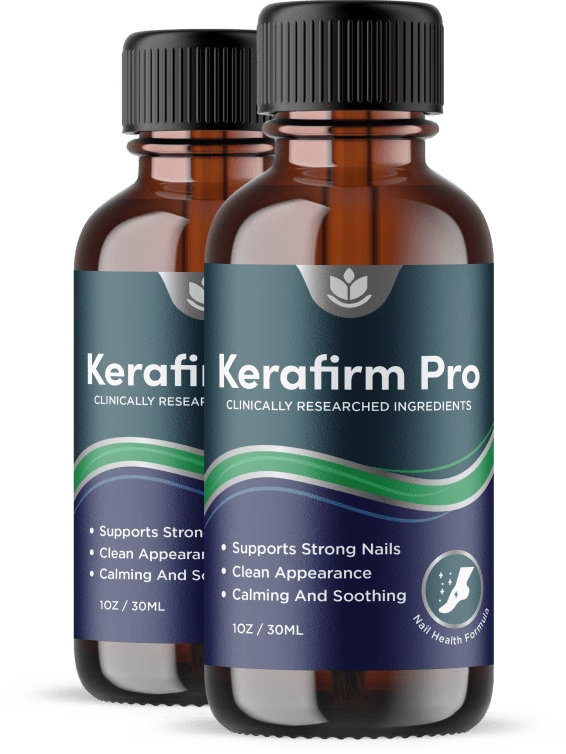
KeraFirm Pro reviewKeraFirm Pro is a 30 mL brush-on oil with 13 ingredients including tea tree oil, undecylenic acid, clove oil and camphor. Its ingredients ha...
★★★☆☆
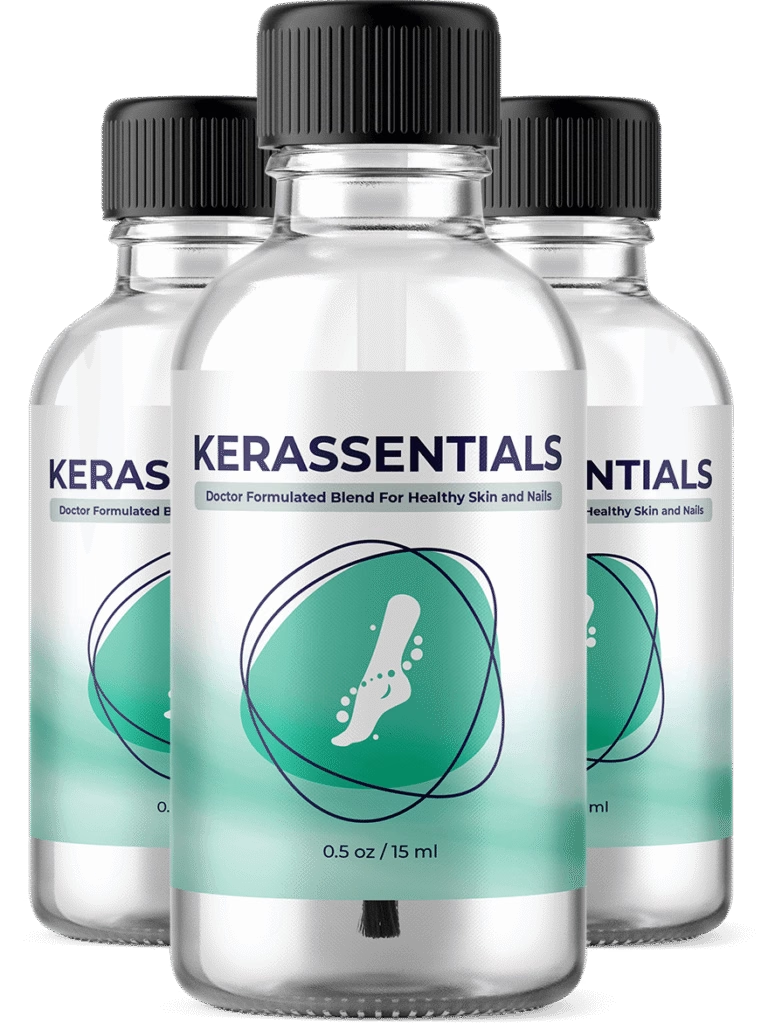
Kerassentials reviewKerassentials is a topical oil for toenails and cuticles that combines 5% undecylenic acid with tea tree, clove, lavender and other oils. It...
★★☆☆☆
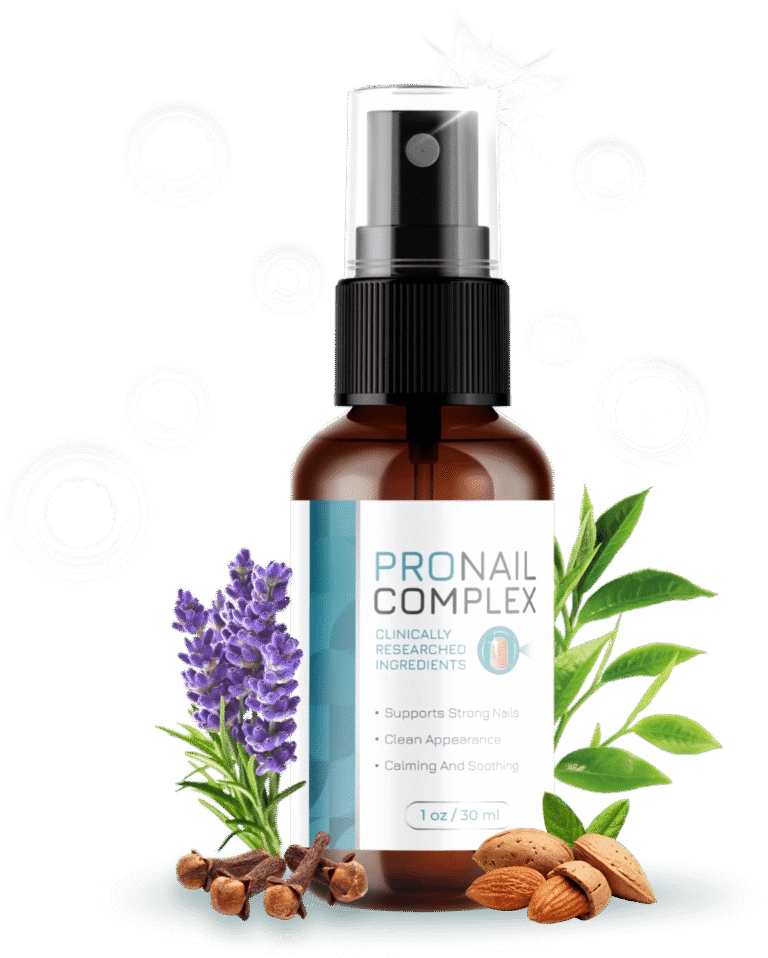
ProNail Complex reviewProNail Complex is a 30 mL topical mist spray with 16 listed oils and ingredients, including tea tree oil, undecylenic acid and camphor. Ing...
Reader reviews
No reader reviews yet. If you have tried Clove bud oil, you can be the first to share how it went.
Reader reviews are personal opinions from visitors. We do not verify purchases, and reviews are not medical advice. We publish positive and negative reviews alike; see our review guidelines.
Write a review
Sources
- Antifungal activity of clove essential oil and its volatile vapour against dermatophytic fungi. Mycobiology, 2007
- Eugenol–from the remote Maluku Islands to the international market place: a review of a remarkable and versatile molecule. Molecules, 2012
- Eugenol and clove leaf oil: a survey of consumer patch-test sensitization. Food Chem Toxicol, 1983
- Nail fungus: Diagnosis and treatment. American Academy of Dermatology
- Antifungal activity of the clove essential oil from Syzygium aromaticum on Candida, Aspergillus and dermatophyte species. J Med Microbiol, 2009