What is Streptococcus salivarius?
Streptococcus salivarius is a harmless bacterium that lives naturally on the tongue and in the throat. Certain strains, most famously K12 and M18, produce bacteriocins, protein compounds that can inhibit other bacteria. That has made them popular in lozenges marketed for fresh breath, throat health and, in the case of M18, teeth.
What the research says
Breath. In a laboratory study, K12 and M18 reduced the volatile sulfur compounds produced by two gum-disease bacteria, the compounds largely responsible for bad breath. Human results are less clear. In a double-blind, placebo-controlled trial of 28 people with tongue-coating related bad breath, K12 tablets improved breath scores compared with baseline, but there was no statistically significant difference from placebo, and the authors concluded the tongue coating may need to be cleaned first. Pooled analyses of probiotics in general, including S. salivarius, suggest short-term improvement in breath odor scores, but they rest on a small number of varied trials.
Ear and throat. A systematic review of K12 found only nine relevant studies and described the evidence as limited, with possible benefits for recurrent throat and middle ear infections in children that still need confirmation.
For breath, simple mechanical steps also matter. A Cochrane review found weak evidence that tongue scrapers or cleaners reduce odor compounds a little more than a toothbrush.
How it’s used in supplements
S. salivarius is delivered in lozenges or chewables that dissolve slowly so the bacteria reach the tongue surface, typically once a day after brushing. Effects appear to be strain-specific, so a label should name the strain (for example K12) and the CFU count. A weight in milligrams, without a CFU count or strain, does not show whether the dose matches research. The bacterium is a normal mouth resident and is generally well tolerated, but people who are immunocompromised should ask a doctor before using any probiotic.
Bad breath has many causes. According to MedlinePlus, common ones include poor dental hygiene, gum disease, cavities, dentures, smoking and certain foods, while sinus, throat and some medical conditions can also play a role. If breath odor persists without an obvious cause, it is worth a dental or medical visit rather than relying on a lozenge. For most people, brushing the teeth and tongue, cleaning between teeth and staying hydrated are the first steps, with an S. salivarius product as an optional extra. Most of the human evidence comes from short trials lasting a few weeks.
Safety and cautions
Generally well tolerated in healthy people. Immunocompromised or seriously ill people should check with a doctor. Persistent bad breath can signal gum disease or other health problems and should be evaluated.
Supplements we reviewed that contain it
★★★☆☆
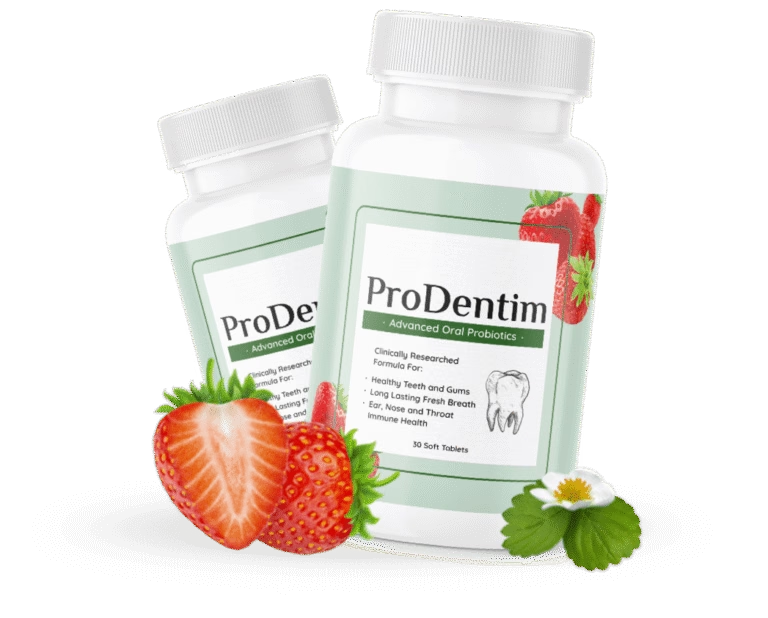
ProDentim reviewProDentim is a chewable oral probiotic with 3.5 billion CFU of L. paracasei, L. reuteri, B. lactis BL-04 and S. salivarius plus 100 mg inuli...
Reader reviews
No reader reviews yet. If you have tried Streptococcus salivarius, you can be the first to share how it went.
Reader reviews are personal opinions from visitors. We do not verify purchases, and reviews are not medical advice. We publish positive and negative reviews alike; see our review guidelines.
Write a review
Sources
- Inhibitory effect of Streptococcus salivarius K12 and M18 on halitosis in vitro. Clin Exp Dent Res, 2020
- The Effect of Streptococcus salivarius K12 on Halitosis: a Double-Blind, Randomized, Placebo-Controlled Trial. Probiotics Antimicrob Proteins, 2020
- Efficacy of probiotics in the management of halitosis: a systematic review and meta-analysis. BMJ Open, 2022
- Influence of Oral Probiotic Streptococcus salivarius K12 on Ear and Oral Cavity Health in Humans: Systematic Review. Probiotics Antimicrob Proteins, 2017
- Tongue scraping for treating halitosis. Cochrane Database Syst Rev, 2006