What is N-acetyl cysteine?
N-acetyl cysteine, or NAC, is a modified form of the amino acid L-cysteine. The body uses cysteine to make glutathione, its most important internal antioxidant, so NAC is often described as a glutathione precursor. MedlinePlus notes that NAC is also an FDA-approved drug: hospitals use it in cases of acetaminophen (Tylenol) overdose, and an inhaled form helps loosen mucus in some lung conditions.
NAC is widely sold in dietary supplements. MedlinePlus explains that the FDA has said NAC is technically an approved drug, which raised questions about its use in supplements, and that as of 2022 the agency was considering allowing it in supplements as long as no safety issues arise.
What the research says
Because loud noise is thought to damage the inner ear partly through oxidative stress, NAC has been one of the most studied antioxidants for noise exposure. Animal studies have been encouraging. In people, the largest trial was a randomized, double-blind, placebo-controlled study in 566 U.S. Marine recruits who completed weapons training. NAC did not significantly change the main outcome, the overall rate of hearing threshold shifts. However, in the ear closest to the trigger hand, threshold shifts were less common with NAC (27 percent) than with placebo (35 percent), and side effects were similar in both groups. The authors concluded that more studies were needed to clarify dosing.
A 2021 systematic review of drug and supplement approaches for noise exposure included NAC among the agents studied and found the results promising but too varied to support clinical guidelines. Outside of hearing, MedlinePlus lists NAC as possibly effective for some lung and other conditions, with insufficient evidence for many other popular uses.
It is worth keeping these findings in context. The noise studies gave NAC before or during a specific, measured noise exposure, so they tell us about short-term protection of the inner ear in young adults rather than about everyday hearing in older people. Combination products that include NAC alongside other antioxidants have not been tested in the same way.
How it’s used in supplements
Supplements usually provide 600 to 1,200 mg a day, and the noise trials used doses in a similar range. NAC is generally well tolerated by mouth; the most common side effects are nausea, vomiting, diarrhea and an unpleasant smell or taste. It may slow blood clotting and could add to the effects of blood thinners, and it may interact with nitroglycerin, causing headaches or low blood pressure. People with asthma, bleeding disorders or upcoming surgery, and those who are pregnant or breastfeeding, should talk with a doctor before using NAC supplements.
Safety and cautions
May cause nausea, vomiting, diarrhea or an unpleasant taste. May slow blood clotting and interact with blood thinners and nitroglycerin. Talk to your doctor if you have asthma, a bleeding disorder, upcoming surgery, or are pregnant or breastfeeding.
Supplements we reviewed that contain it
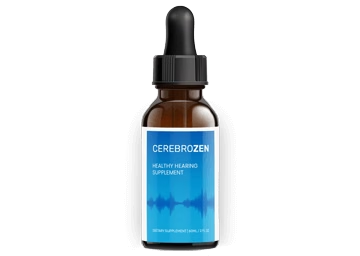
★★★☆☆
CerebroZen reviewCerebroZen is a daily liquid supplement for hearing and brain support with ginkgo, magnesium, NAC, glutathione, CoQ10, alpha-GPC and lion's ...
Reader reviews
No reader reviews yet. If you have tried N-acetyl cysteine (NAC), you can be the first to share how it went.
Reader reviews are personal opinions from visitors. We do not verify purchases, and reviews are not medical advice. We publish positive and negative reviews alike; see our review guidelines.
Write a review
Sources
- N-acetyl cysteine. MedlinePlus
- Efficacy and safety of N-acetylcysteine in prevention of noise induced hearing loss: a randomized clinical trial. Hear Res, 2015
- Pharmacological Prevention of Noise-induced Hearing Loss: A Systematic Review. Otol Neurotol, 2021