What is L-valine?
L-valine is an essential amino acid and one of the three branched-chain amino acids (BCAAs), together with leucine and isoleucine. The body cannot make it, so it must come from protein foods such as dairy, meat, fish, eggs, soy, beans and grains. Valine is used to build body proteins, and muscle tissue can also break it down for energy, especially during long or intense exercise.
Unlike leucine, valine is not a strong signal for muscle protein synthesis. Its value in a supplement is mainly as one of the building blocks that must be present for the body to make new protein.
What the research says
Valine is almost never studied alone in humans. The relevant evidence comes from BCAA and EAA supplements. A 2022 meta-analysis of 35 randomized trials in older adults found that BCAA-rich supplements produced small improvements in muscle strength, muscle mass and physical performance, with notable differences between studies. In exercise settings, a 2021 meta-analysis of BCAA supplements found that they reduced delayed-onset muscle soreness in some trials, mostly in trained people after mild to moderate muscle damage, while results in untrained people were less clear.
Researchers also note that BCAAs alone are an incomplete source of protein building blocks. Studies in older adults show that a full set of essential amino acids is what drives the muscle protein response, which is why complete EAA formulas include valine alongside the other essentials.
Food first
Most adults who eat enough protein already get plenty of valine. MedlinePlus notes that you do not need to eat every essential amino acid at every meal, but that getting a balance of them across the whole day matters. For older adults who eat smaller portions or less protein, a supplement that supplies valine together with the other essential amino acids is one convenient way to fill the gap. Research on muscle in older adults has generally tested valine as part of a complete or BCAA-rich mix, with best results when the supplement was combined with resistance training. That is the context in which valine makes sense in a supplement: as one piece of a complete set, not as a standalone product for muscle.
How it’s used in supplements
Valine is found in BCAA powders and capsules, EAA blends and protein supplements. It is generally well tolerated at the amounts found in food and typical supplements. People with maple syrup urine disease must avoid BCAAs. Those with kidney or liver disease, or anyone told to limit protein, should ask a doctor before using amino acid products.
Safety and cautions
Avoid with maple syrup urine disease. Ask your doctor first if you have kidney or liver disease.
Supplements we reviewed that contain it
★★★★☆
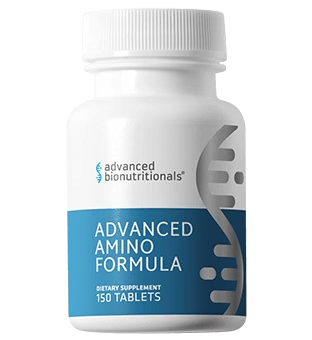
Advanced Amino Formula reviewAdvanced Amino Formula is a vegan tablet from Advanced Bionutritionals that supplies 5,000 mg of eight essential amino acids per serving to ...
Reader reviews
No reader reviews yet. If you have tried L-Valine, you can be the first to share how it went.
Reader reviews are personal opinions from visitors. We do not verify purchases, and reviews are not medical advice. We publish positive and negative reviews alike; see our review guidelines.
Write a review
Sources
- Effects of branched-chain amino acid-rich supplementation on EWGSOP2 criteria for sarcopenia in older adults: a systematic review and meta-analysis. Eur J Nutr, 2022
- The use of BCAA to decrease delayed-onset muscle soreness after a single bout of exercise: a systematic review and meta-analysis. Amino Acids, 2021
- Amino acids. MedlinePlus