What is L-threonine?
L-threonine is an essential amino acid, so it must come from food. It is found in meat, fish, dairy, eggs, soy, lentils and seeds. Threonine is a building block of many body proteins, including collagen and elastin in connective tissue, and the mucin proteins that form the protective mucus layer of the gut. The body can also convert threonine into glycine, another amino acid with roles in the nervous system.
What the research says
There is very little human research on threonine as a standalone supplement. The best-known study is a 1982 pilot trial in which six people with genetic spasticity syndromes took 500 mg of threonine daily for 12 months; the researchers reported partial improvement in muscle spasticity and no side effects, and called for a controlled trial. Because it was a tiny, uncontrolled study in a specific medical condition, it does not tell us much about healthy adults.
In an essential amino acid formula, threonine’s job is simply to complete the set of building blocks. Studies in older adults show that complete EAA mixtures support muscle protein synthesis, and threonine is part of every such mixture.
Food first
Threonine is plentiful in a diet with adequate protein, and deficiency is rare in people who eat varied meals. MedlinePlus notes that the body needs essential amino acids in balance across the day, rather than at every meal. Older adults who eat less protein, and people on restrictive diets, may get less of every essential amino acid, including threonine. A complete EAA supplement is one way to round out intake, but it works best alongside a protein-adequate diet and regular physical activity. Animal research has looked at threonine’s role in gut mucus and immune function, but those findings have not been confirmed in human trials, so we do not treat them as benefits of supplementation. In short, threonine belongs in a complete EAA formula because the body cannot build protein without it, and that is the role it plays in products like this one. If you follow a plant-based diet, beans, lentils, soy and seeds are good everyday sources.
How it’s used in supplements
Threonine is mainly found in EAA blends and protein supplements rather than as a single ingredient. At food-like amounts it is generally well tolerated. As with other amino acids, people with kidney or liver disease or on a protein-restricted diet should talk to a doctor first.
Safety and cautions
Ask your doctor first if you have kidney or liver disease or follow a protein-restricted diet.
Supplements we reviewed that contain it
★★★★☆
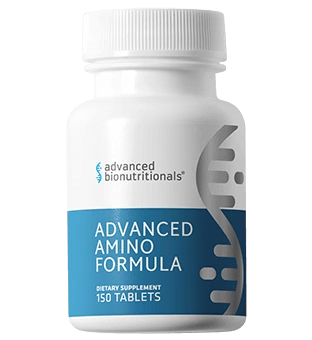
Advanced Amino Formula reviewAdvanced Amino Formula is a vegan tablet from Advanced Bionutritionals that supplies 5,000 mg of eight essential amino acids per serving to ...
Reader reviews
No reader reviews yet. If you have tried L-Threonine, you can be the first to share how it went.
Reader reviews are personal opinions from visitors. We do not verify purchases, and reviews are not medical advice. We publish positive and negative reviews alike; see our review guidelines.
Write a review
Sources
- Pilot study of threonine supplementation in human spasticity. Can J Neurol Sci, 1982
- Amino acids. MedlinePlus