What is L-phenylalanine?
L-phenylalanine is an essential amino acid found in nearly all protein foods, including meat, fish, eggs, dairy, soy, nuts and seeds. It is also part of the sweetener aspartame. The body uses phenylalanine to build proteins and converts some of it into another amino acid, tyrosine. Tyrosine in turn is used to make dopamine, norepinephrine and epinephrine, as well as thyroid hormones and the skin pigment melanin.
The most important safety fact about phenylalanine is phenylketonuria (PKU), an inherited condition in which the body cannot break down phenylalanine properly. According to MedlinePlus, people with PKU need a diet that strictly limits phenylalanine, and they should avoid supplements that contain it unless a doctor directs otherwise.
What the research says
As a supplement, phenylalanine has been studied for mood, pain and skin pigment conditions, but the research is small, older and inconsistent, so we rate it as preliminary for those uses. Its role in an essential amino acid formula is different: it is one of the required building blocks for muscle protein. Research on older adults shows that complete EAA mixtures stimulate muscle protein synthesis, and in fact phenylalanine is the amino acid researchers commonly trace to measure that effect.
Food first
Phenylalanine is abundant in protein-rich foods, and people without PKU rarely need to think about it. MedlinePlus explains that what matters is getting a balance of essential amino acids over the course of the day. In a complete essential amino acid supplement, phenylalanine fills its place in that balance alongside leucine, lysine and the others. People with PKU are the important exception: for them, even normal protein foods must be carefully measured, and any supplement listing phenylalanine needs a doctor’s or dietitian’s approval. Products containing phenylalanine are often labeled with a PKU warning for this reason, so check labels if PKU runs in your family. For everyone else, phenylalanine in an EAA blend is simply part of the normal protein-building set, at amounts comparable to a modest serving of protein food.
How it’s used in supplements
Phenylalanine appears in EAA blends, protein supplements and some mood or energy formulas, sometimes as DL-phenylalanine. At food-like amounts it is generally well tolerated by people without PKU. Because it is a precursor to brain chemicals, people taking MAO inhibitor antidepressants, levodopa, or medicines for mental health conditions should ask a doctor before using phenylalanine supplements. Pregnant women with PKU need medical supervision of their phenylalanine intake.
Safety and cautions
Do not use with phenylketonuria (PKU) unless directed by a doctor. Ask your doctor if you take MAO inhibitors, levodopa or psychiatric medicines.
Supplements we reviewed that contain it
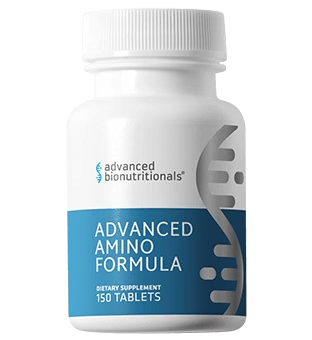
★★★★☆
Advanced Amino Formula reviewAdvanced Amino Formula is a vegan tablet from Advanced Bionutritionals that supplies 5,000 mg of eight essential amino acids per serving to ...
Reader reviews
No reader reviews yet. If you have tried L-Phenylalanine, you can be the first to share how it went.
Reader reviews are personal opinions from visitors. We do not verify purchases, and reviews are not medical advice. We publish positive and negative reviews alike; see our review guidelines.
Write a review
Sources
- Phenylketonuria. MedlinePlus
- Amino acids. MedlinePlus
- Essential amino acids are primarily responsible for the amino acid stimulation of muscle protein anabolism in healthy elderly adults. Am J Clin Nutr, 2003