What is L-methionine?
L-methionine is an essential amino acid that contains sulfur. It comes from protein foods such as eggs, fish, meat, dairy, Brazil nuts and sesame seeds. Methionine has a special place in biology: it is the amino acid that starts the building of almost every protein. It is also converted into S-adenosylmethionine (SAMe), the body’s main methyl donor, which takes part in hundreds of reactions, and it feeds the pathways that make cysteine, taurine and the antioxidant glutathione. Along the way, methionine is converted into homocysteine, which the body then recycles with the help of folate and vitamins B6 and B12.
What the research says
A 2006 review in the Journal of Nutrition noted broad agreement that healthy adults need about 13 mg of sulfur amino acids per kg of body weight daily, and that supplementation at two to three times the minimum is considered safe for most people. The same review concluded that, apart from very specific medical uses, the usefulness of extra sulfur amino acids has not been established. A 2012 review described how methionine, folate and related vitamins work together in one-carbon metabolism, an area of active research rather than a basis for supplement claims.
In an EAA formula, methionine’s role is to complete the set of building blocks needed for muscle and other body proteins.
Food first
Most people meet their methionine needs easily from food, and plant-based eaters can do so with a mix of grains, nuts, seeds and legumes. Because methionine is converted into homocysteine, getting enough folate, vitamin B6 and vitamin B12 is part of handling it well; these vitamins help the body recycle homocysteine back into useful compounds. A complete essential amino acid supplement supplies methionine alongside the other essentials, which is how it supports normal protein building. It is not a reason to take high-dose methionine on its own, which the research does not support for general wellness. For most people, the practical takeaway is simple: methionine belongs in a complete essential amino acid formula as a required building block, and a varied diet with enough B vitamins helps the body handle it well.
How it’s used in supplements
Methionine appears in EAA blends and protein supplements and occasionally as a standalone product. At food-like amounts it is generally well tolerated. People with certain inherited disorders of methionine or homocysteine metabolism, liver disease, or a history of high homocysteine should talk to a doctor before using methionine supplements.
Safety and cautions
Ask your doctor first if you have liver disease, a disorder of methionine metabolism or high homocysteine.
Supplements we reviewed that contain it
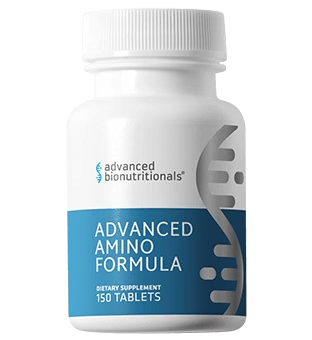
★★★★☆
Advanced Amino Formula reviewAdvanced Amino Formula is a vegan tablet from Advanced Bionutritionals that supplies 5,000 mg of eight essential amino acids per serving to ...
Reader reviews
No reader reviews yet. If you have tried L-Methionine, you can be the first to share how it went.
Reader reviews are personal opinions from visitors. We do not verify purchases, and reviews are not medical advice. We publish positive and negative reviews alike; see our review guidelines.
Write a review
Sources
- Adequate range for sulfur-containing amino acids and biomarkers for their excess: lessons from enteral and parenteral nutrition. J Nutr, 2006
- Methionine, homocysteine, one carbon metabolism and fetal growth. Rev Endocr Metab Disord, 2012
- Amino acids. MedlinePlus