What is L-lysine?
L-lysine is an essential amino acid, so the body relies on food to supply it. Good sources include meat, fish, dairy, eggs, soy and legumes, while many grains are relatively low in lysine. Lysine is a building block of all body proteins and is especially important in collagen, the structural protein of skin, tendons, ligaments and bone. It is also used to make carnitine, which helps move fats into cells for energy. In supplements, lysine is usually provided as lysine hydrochloride (lysine HCl), a stable salt form.
What the research says
The most studied supplement use of lysine is for herpes simplex, the virus behind cold sores. A 2017 review of the clinical trials concluded that lysine appeared ineffective at doses below 1 g per day without a low-arginine diet, while doses above 3 g per day appeared to improve people’s experience of outbreaks. The authors called for longer, well-controlled studies, and they noted theoretical cautions for people with cardiovascular or gallbladder disease. Early trials were mixed, with some showing benefit and others showing none.
Beyond that, lysine’s role in muscle and connective tissue is as one of the essential building blocks. Research on older adults shows that complete essential amino acid mixtures support muscle protein synthesis, and lysine is part of every such mixture. There is little evidence that extra lysine by itself builds muscle or improves skin.
Food first
People who eat animal protein, soy or legumes usually get enough lysine. Plant-based eaters who rely mostly on grains can come up shorter, because many grains are low in lysine, which is one reason vegan diets are encouraged to include beans, lentils, soy and quinoa. MedlinePlus notes that the body needs a balance of essential amino acids across the day rather than at every meal. In a complete essential amino acid supplement, lysine fills its place in that balance and supports the body’s normal collagen and protein production. The cold sore research uses far larger single-ingredient doses than a typical EAA blend provides, so a blend like this should not be expected to have those specific effects.
How it’s used in supplements
Lysine is sold as a single-ingredient supplement, often for cold sores, and appears in EAA blends and protein products. It is generally well tolerated; higher doses may cause stomach upset or diarrhea. People with kidney disease, or anyone with cardiovascular or gallbladder disease as noted in the review above, should ask a doctor before taking lysine supplements regularly.
Safety and cautions
High doses may cause stomach upset. Ask your doctor first if you have kidney, cardiovascular or gallbladder disease.
Supplements we reviewed that contain it
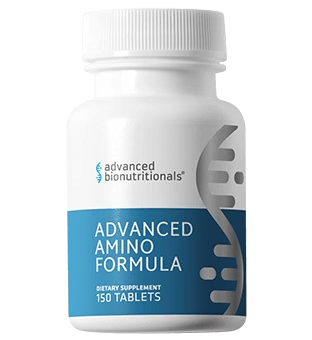
★★★★☆
Advanced Amino Formula reviewAdvanced Amino Formula is a vegan tablet from Advanced Bionutritionals that supplies 5,000 mg of eight essential amino acids per serving to ...
Reader reviews
No reader reviews yet. If you have tried L-Lysine, you can be the first to share how it went.
Reader reviews are personal opinions from visitors. We do not verify purchases, and reviews are not medical advice. We publish positive and negative reviews alike; see our review guidelines.
Write a review
Sources
- Lysine for Herpes Simplex Prophylaxis: A Review of the Evidence. Integr Med (Encinitas), 2017
- Amino acids. MedlinePlus