What is L-leucine?
L-leucine is one of the nine essential amino acids, meaning the body cannot make it and must get it from food. It is also one of the three branched-chain amino acids (BCAAs), along with valine and isoleucine. Leucine is found in most protein foods, with especially high amounts in dairy, eggs, meat, fish, soy and legumes. Like all amino acids, it is a building block of protein, but it has an extra role: it acts as a signal inside muscle cells that helps switch on the machinery for building new muscle protein.
That signaling role is why leucine is the amino acid most discussed in sports nutrition and in research on aging muscle. As people get older, muscle tends to respond less strongly to a given amount of protein, a pattern researchers call anabolic resistance. Leucine has been studied as a way to strengthen that response.
What the research says
Much of the human research comes from metabolic studies that measure muscle protein synthesis directly. In a 2006 study, older and younger adults drank 6.7 g of essential amino acids that contained either 26 percent leucine (similar to whey protein) or 41 percent leucine. In the older adults, only the higher-leucine mix increased muscle protein synthesis; in younger adults, both worked. The authors concluded that a high proportion of leucine helps restore the muscle-building response in older people.
Leucine is usually studied as part of a larger EAA or protein supplement rather than on its own. A 2022 meta-analysis of 35 randomized trials in older people found that BCAA-rich supplements, a category that includes leucine-enriched EAA formulas, had small positive effects on muscle strength and muscle mass, though the trials varied widely in design and the authors urged caution. Long-term trials of leucine alone have produced mixed results, which is one reason researchers increasingly favor complete EAA blends or protein foods that provide leucine along with the other essential amino acids.
Overall, the evidence supports leucine as an important part of a muscle-supporting diet in older adults, particularly when combined with resistance exercise. It does not show that leucine on its own builds muscle without adequate total protein and training.
How it’s used in supplements
Leucine appears in BCAA products, EAA blends, protein powders and some medical nutrition drinks. Many EAA formulas designed for older adults use a higher leucine share, based on the research above. Leucine is generally well tolerated at amounts found in food and typical supplements. People with maple syrup urine disease, a rare inherited disorder of BCAA metabolism, must avoid it. Anyone with kidney or liver disease or on a protein-restricted diet should talk to a doctor before taking amino acid supplements.
Safety and cautions
Avoid with maple syrup urine disease. Ask your doctor first if you have kidney or liver disease or follow a protein-restricted diet.
Supplements we reviewed that contain it
★★★★☆
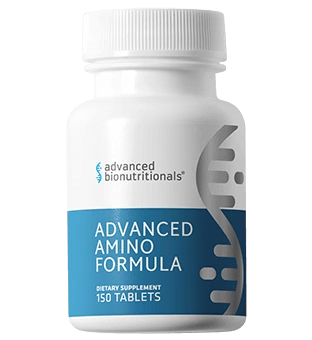
Advanced Amino Formula reviewAdvanced Amino Formula is a vegan tablet from Advanced Bionutritionals that supplies 5,000 mg of eight essential amino acids per serving to ...
Reader reviews
No reader reviews yet. If you have tried L-Leucine, you can be the first to share how it went.
Reader reviews are personal opinions from visitors. We do not verify purchases, and reviews are not medical advice. We publish positive and negative reviews alike; see our review guidelines.
Write a review
Sources
- A high proportion of leucine is required for optimal stimulation of the rate of muscle protein synthesis by essential amino acids in the elderly. Am J Physiol Endocrinol Metab, 2006
- Effects of branched-chain amino acid-rich supplementation on EWGSOP2 criteria for sarcopenia in older adults: a systematic review and meta-analysis. Eur J Nutr, 2022
- Essential amino acids are primarily responsible for the amino acid stimulation of muscle protein anabolism in healthy elderly adults. Am J Clin Nutr, 2003
- Amino acids. MedlinePlus