What is L-isoleucine?
L-isoleucine is an essential amino acid and one of the three branched-chain amino acids (BCAAs), with leucine and valine. It must come from the diet, and it is plentiful in protein foods such as eggs, dairy, meat, fish, soy, lentils and nuts. The body uses isoleucine to build proteins, and muscle can break it down for energy during exercise. It also takes part in blood sugar handling inside muscle cells, which is an area of ongoing laboratory research.
What the research says
As with valine, human studies rarely test isoleucine on its own. The useful evidence comes from BCAA and complete EAA supplements. A 2022 meta-analysis of 35 randomized trials found that BCAA-rich supplements had small positive effects on muscle strength and mass in older adults, with high variability between studies. A 2021 meta-analysis found that BCAAs may reduce delayed-onset muscle soreness after a single bout of muscle-damaging exercise, particularly in trained people at modest doses.
The broader lesson from research on older adults is that a complete set of essential amino acids, not any single one, drives muscle protein building. Isoleucine is part of that set, so it appears in essentially every EAA formula.
Food first
Isoleucine is easy to get from a normal diet that includes enough protein. MedlinePlus explains that the body needs a balance of essential amino acids over the whole day, and that pairing specific proteins at each meal is no longer considered necessary. Older adults are more likely to fall short on total protein, especially if appetite is low, and that is where a complete essential amino acid supplement can help round out the diet. Studies of BCAA-rich and EAA supplements in older adults generally found the most benefit when supplements were paired with strength exercise, so isoleucine is best seen as one piece of a broader plan that includes training, enough total protein and adequate sleep. There is no good evidence for taking isoleucine by itself for muscle, energy or blood sugar. If you already use a protein powder or eat protein-rich meals, check your total intake with your doctor or a dietitian before adding several amino acid products at once.
How it’s used in supplements
Isoleucine is a standard ingredient in BCAA products, EAA blends and protein powders. It is generally well tolerated at food-like and typical supplement amounts. People with maple syrup urine disease must avoid BCAAs, and anyone with kidney or liver disease or on a protein-restricted diet should talk to a doctor first.
Safety and cautions
Avoid with maple syrup urine disease. Ask your doctor first if you have kidney or liver disease.
Supplements we reviewed that contain it
★★★★☆
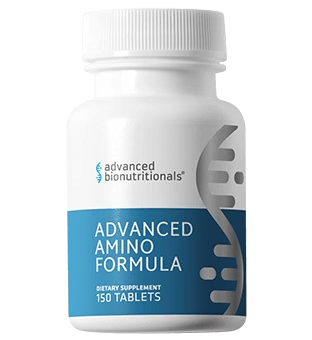
Advanced Amino Formula reviewAdvanced Amino Formula is a vegan tablet from Advanced Bionutritionals that supplies 5,000 mg of eight essential amino acids per serving to ...
Reader reviews
No reader reviews yet. If you have tried L-Isoleucine, you can be the first to share how it went.
Reader reviews are personal opinions from visitors. We do not verify purchases, and reviews are not medical advice. We publish positive and negative reviews alike; see our review guidelines.
Write a review
Sources
- Effects of branched-chain amino acid-rich supplementation on EWGSOP2 criteria for sarcopenia in older adults: a systematic review and meta-analysis. Eur J Nutr, 2022
- The use of BCAA to decrease delayed-onset muscle soreness after a single bout of exercise: a systematic review and meta-analysis. Amino Acids, 2021
- Amino acids. MedlinePlus