What is L-glutamine?
L-glutamine is an amino acid, one of the building blocks of protein. The body makes its own glutamine, mainly in muscle, and it is also found in protein-rich foods such as meat, fish, eggs, dairy, beans and tofu. It is the most abundant free amino acid in the blood and muscle, and it serves as a fuel for rapidly dividing cells such as those lining the gut and certain immune cells. It also plays a part in nitrogen transport and in making other molecules, including the brain messenger glutamate.
Because the body can usually make enough on its own, glutamine is called a conditionally essential amino acid: needs may rise during severe illness, injury or intense physical stress.
What the research says
Most clinical research on glutamine has taken place in hospital settings, in people recovering from surgery, burns or serious illness, where it has been given as part of medical nutrition. Those results do not translate directly to healthy adults taking a capsule. In healthy people, glutamine has been studied for exercise recovery, gut comfort and immune function, with mixed and generally modest results.
Safety data are reassuring. A 2008 risk assessment in Regulatory Toxicology and Pharmacology reviewed published human trials and found no systematic pattern of adverse effects. It identified 14 grams a day as an observed safe level for healthy adults, while noting that higher intakes have been tested without problems but with less long-term data.
There is no human research on glutamine for hearing or for memory. In a brain or hearing formula, a dose of a few hundred milligrams is best seen as a small nutritional addition rather than a key active ingredient, especially since a typical diet already supplies several grams of glutamine a day from protein.
How it’s used in supplements
Glutamine is sold as a powder or capsules, usually at 1 to 5 grams per serving, and is a common ingredient in sports recovery blends and gut health products. Smaller amounts appear in multi-ingredient formulas. It is generally well tolerated; some people notice mild stomach upset at large doses.
People with kidney or liver disease, and anyone with a seizure disorder, should ask a doctor before taking glutamine supplements, since the body’s handling of amino acids and their byproducts may be different in those conditions. As with any supplement, it is wise to tell your doctor what you take, particularly before surgery or if you are pregnant or breastfeeding.
Safety and cautions
Generally well tolerated; ask a doctor first if you have kidney or liver disease or a seizure disorder, or if you are pregnant or breastfeeding.
Supplements we reviewed that contain it
★★★☆☆
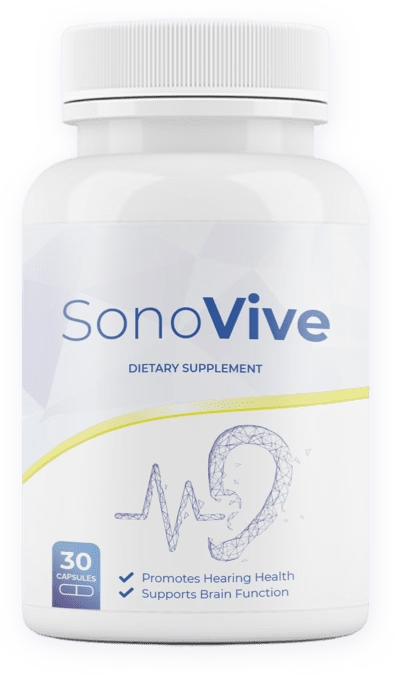
SonoVive reviewSonoVive is a fully disclosed capsule of St. John's wort, bacopa, ginkgo, phosphatidylserine, acetyl-L-carnitine, L-glutamine, vinpocetine a...
Reader reviews
No reader reviews yet. If you have tried L-Glutamine, you can be the first to share how it went.
Reader reviews are personal opinions from visitors. We do not verify purchases, and reviews are not medical advice. We publish positive and negative reviews alike; see our review guidelines.
Write a review
Sources
- Risk assessment for the amino acids taurine, L-glutamine and L-arginine. Regul Toxicol Pharmacol, 2008