What is camphor oil?
Camphor is a waxy, strongly scented compound traditionally distilled from the wood of the camphor laurel tree (Cinnamomum camphora), and today it is also made synthetically. It is a familiar ingredient in over-the-counter chest rubs, muscle rubs and cold sore products, where it creates a cooling, tingling sensation on the skin. In topical nail and foot products, camphor oil usually appears alongside menthol, eucalyptus, clove and tea tree oils.
Camphor is a counterirritant: it mildly stimulates nerve endings in the skin, which can distract from itching or discomfort. That sensory effect is real, but it is not the same as treating an underlying skin or nail problem.
What the research says
Most of the interest in camphor for toenails comes from laboratory work. A 2003 study from Michigan State University tested the ingredients of a mentholated chest rub against fungi commonly found in toenail infections, including Trichophyton rubrum and Trichophyton mentagrophytes. Camphor, menthol, thymol and lemon eucalyptus oil produced the largest zones of inhibition in the dish, and the authors suggested mixtures of these compounds were worth testing in people. Lab results like this show that a compound can affect fungi under controlled conditions; they do not show that it reaches fungi inside and under a thick nail plate on a living foot.
The closest thing to human data is a 2011 case series in the Journal of the American Board of Family Medicine. Eighteen people with toenail fungus applied an over-the-counter camphor, menthol and eucalyptus rub for 48 weeks. Five had both clinical and lab-confirmed clearing, ten had partial improvement and three had no change. There was no control group, the study was small, and the product contained several active ingredients, so it cannot isolate camphor’s contribution. The authors called it a pilot study, and larger controlled trials have not followed.
Overall, the evidence for camphor on nails is preliminary. It is reasonable to describe camphor as an ingredient that has been studied in the lab against nail fungi, not as one shown to clear nail infections.
Safety
Camphor’s main concern is toxicity when swallowed. A review in the Journal of Emergency Medicine noted that serious poisoning in young children can follow exposure to relatively small amounts, with as little as 500 mg cited as a cause of death and 750 to 1,000 mg associated with seizures. Products containing camphor should be stored out of reach of children and never applied to broken skin, mucous membranes or near the nose of infants. Topically, it can cause skin irritation or allergic reactions in some people.
How it’s used in supplements
Camphor is not an oral supplement ingredient. It appears in topical oils, sprays and rubs, usually at low concentrations and blended with other essential oils. In multi-oil nail products, the amount of camphor is often not disclosed, which makes it impossible to compare a product with the formulas used in research. If you have diabetes, poor circulation, broken skin on your feet or a suspected nail infection, it is wise to ask a doctor or podiatrist before using camphor-containing products on your feet.
Safety and cautions
Topical use only; toxic if swallowed, particularly for children. May irritate skin. Do not apply to broken skin. Keep away from eyes and away from infants and young children. Ask a doctor before use during pregnancy or if you have diabetes, neuropathy or circulation problems in the feet.
Supplements we reviewed that contain it
★★★☆☆
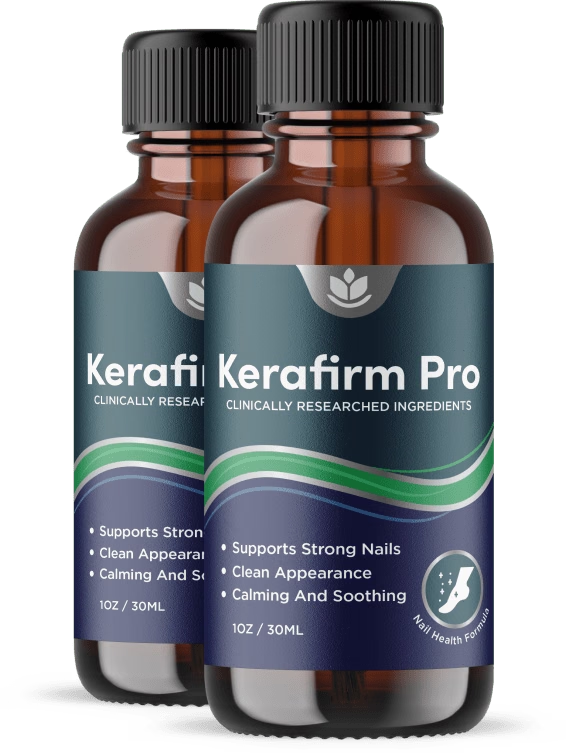
KeraFirm Pro reviewKeraFirm Pro is a 30 mL brush-on oil with 13 ingredients including tea tree oil, undecylenic acid, clove oil and camphor. Its ingredients ha...
★★☆☆☆
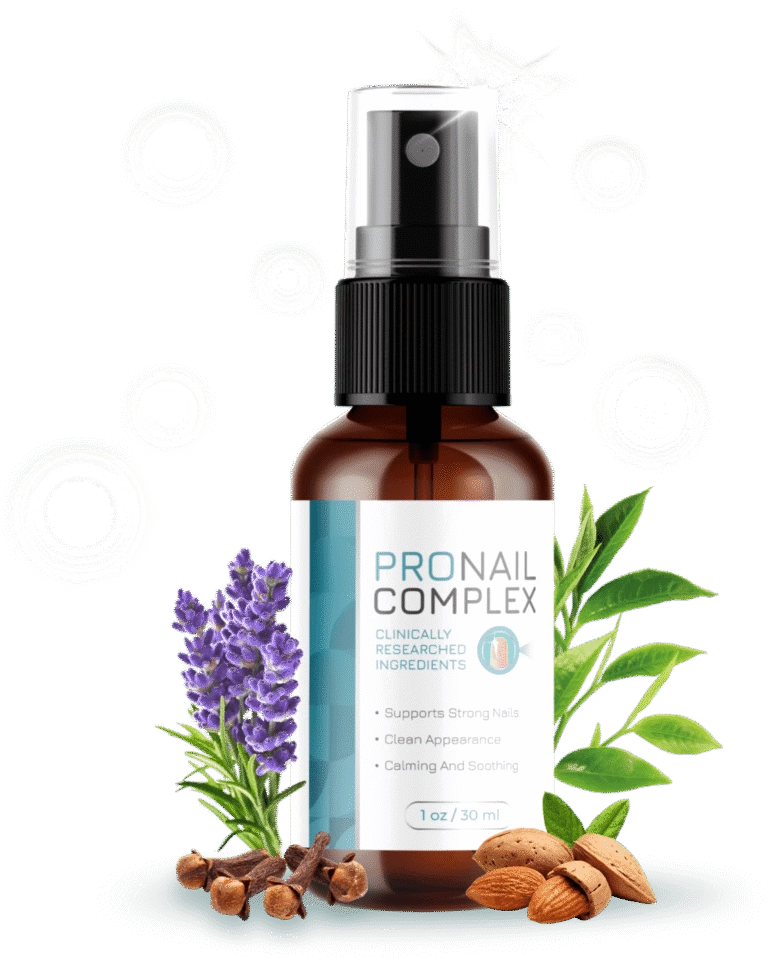
ProNail Complex reviewProNail Complex is a 30 mL topical mist spray with 16 listed oils and ingredients, including tea tree oil, undecylenic acid and camphor. Ing...
Reader reviews
No reader reviews yet. If you have tried Camphor oil, you can be the first to share how it went.
Reader reviews are personal opinions from visitors. We do not verify purchases, and reviews are not medical advice. We publish positive and negative reviews alike; see our review guidelines.
Write a review
Sources
- In vitro antagonistic activity of monoterpenes and their mixtures against 'toe nail fungus' pathogens. Phytother Res, 2003
- Novel treatment of onychomycosis using over-the-counter mentholated ointment: a clinical case series. J Am Board Fam Med, 2011
- Are one or two dangerous? Camphor exposure in toddlers. J Emerg Med, 2004