What is vinpocetine?
Vinpocetine is a compound made from vincamine, an alkaloid found in the lesser periwinkle plant (Vinca minor), or from tabersonine, an alkaloid in Voacanga seeds. According to the FDA, vinpocetine is not itself found in these or any other plants; it is produced synthetically. It was developed in the late 1960s and has been used as a prescription medicine in some countries in Europe and Asia under names such as Cavinton.
In the United States it appears in dietary supplements marketed for brain function, memory and focus, and sometimes for hearing and eye health. The FDA notes that it has not evaluated whether vinpocetine is effective for any of these uses.
What the research says
Laboratory research suggests vinpocetine may relax blood vessels and influence blood flow in the brain, along with other effects on nerve cells. The human evidence is much thinner. A 2003 Cochrane review of vinpocetine for cognitive impairment and dementia found three older trials with 583 people. Results favored vinpocetine at 30 and 60 mg a day, but few people were followed for six months or longer, and the reviewers concluded the evidence was inconclusive and did not support clinical use.
For hearing, a 2021 phase II study in Mexico gave adults with acquired sensorineural hearing loss 30 mg of vinpocetine a day for 12 months. Hearing tests worsened during the first six months and improved during the second six months. The study was open-label with no placebo group, so it cannot show whether vinpocetine caused the changes.
How it’s used in supplements
Supplements usually contain a few milligrams per capsule, well below the 30 to 60 mg a day used in clinical studies. The Cochrane reviewers noted that vinpocetine seemed to have few adverse effects at the doses studied, although side effects were inconsistently reported.
Vinpocetine has an unusual regulatory history. In 2016 the FDA published tentative conclusions that it does not meet the definition of a dietary ingredient, a question that has not been finalized. In 2019 the FDA issued a safety warning stating that vinpocetine is associated with adverse reproductive effects and may cause miscarriage or harm fetal development, and it advised pregnant women and women who could become pregnant not to take it.
Because vinpocetine may affect blood flow and clotting, people taking blood thinners or blood pressure medicines should ask their doctor before using it, and it should be stopped ahead of surgery on a doctor’s advice.
Safety and cautions
The FDA advises women who are pregnant or could become pregnant not to take vinpocetine; ask a doctor first if you take blood thinners or blood pressure medicines; few side effects were reported at studied doses.
Supplements we reviewed that contain it

★★★☆☆
CerebroZen reviewCerebroZen is a daily liquid supplement for hearing and brain support with ginkgo, magnesium, NAC, glutathione, CoQ10, alpha-GPC and lion's ...
★★★☆☆
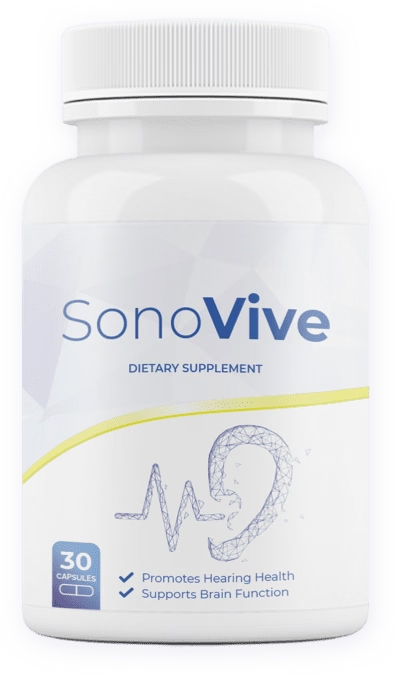
SonoVive reviewSonoVive is a fully disclosed capsule of St. John's wort, bacopa, ginkgo, phosphatidylserine, acetyl-L-carnitine, L-glutamine, vinpocetine a...
Reader reviews
No reader reviews yet. If you have tried Vinpocetine, you can be the first to share how it went.
Reader reviews are personal opinions from visitors. We do not verify purchases, and reviews are not medical advice. We publish positive and negative reviews alike; see our review guidelines.
Write a review
Sources
- Vinpocetine in Dietary Supplements. U.S. Food and Drug Administration
- Vinpocetine for cognitive impairment and dementia. Cochrane Database Syst Rev, 2003
- Evaluation of vinpocetine as a therapy in patients with sensorineural hearing loss: A phase II, open-label, single-center study. J Pharmacol Sci, 2021