What is phosphatidylserine?
Phosphatidylserine is a phospholipid, a type of fat that forms part of the membranes surrounding every cell. It is especially concentrated in the brain, where it helps maintain the structure of nerve cell membranes and takes part in cell signaling. The body makes phosphatidylserine on its own, and small amounts come from foods such as fish, organ meats and white beans.
Early supplements were made from cow brain tissue. Today almost all phosphatidylserine supplements are made from soy or sunflower lecithin through an enzymatic process that attaches the amino acid serine. Products labeled as a “complex” often contain phosphatidylserine mixed with other phospholipids, and the percentage on the label indicates how much of the complex is phosphatidylserine itself.
What the research says
Interest in phosphatidylserine for memory began with studies of the older bovine form. Research on today’s plant-derived forms is smaller and the results are mixed.
In a 2010 double-blind, randomized trial in Japan, 78 adults aged 50 to 69 with memory complaints took 100 mg or 300 mg a day of soy-derived phosphatidylserine or placebo for six months. Test scores rose in all groups, including placebo, but among people who started with lower scores, memory scores improved in the phosphatidylserine groups and not in the placebo group, mostly in delayed word recall. No side effects were observed.
A 2001 trial in the Netherlands gave 120 older adults with age-associated memory complaints 300 mg or 600 mg a day of soy-derived phosphatidylserine or placebo for 12 weeks. It found no differences between groups on memory or other cognitive tests.
Overall, phosphatidylserine is a reasonable, well-tolerated ingredient for people interested in memory support, but the evidence for plant-derived forms is limited and inconsistent. There is no research on phosphatidylserine for hearing.
How it’s used in supplements
Phosphatidylserine is sold on its own, typically at 100 mg per capsule taken one to three times a day, and as part of brain health and stress formulas. When comparing products, check whether the label lists the amount of phosphatidylserine itself or the weight of a “complex,” since a low-percentage complex delivers much less of the active phospholipid.
It is generally well tolerated; mild stomach upset and trouble sleeping have been reported at higher doses. Products made from soy lecithin may matter for people with soy allergy. As with any supplement, people taking prescription medicines, including blood thinners or memory medicines, should check with their doctor first, as should anyone who is pregnant or breastfeeding.
Safety and cautions
Generally well tolerated; soy-derived forms may matter for people with soy allergy; ask a doctor first if you take blood thinners or prescription memory medicines, or are pregnant or breastfeeding.
Supplements we reviewed that contain it
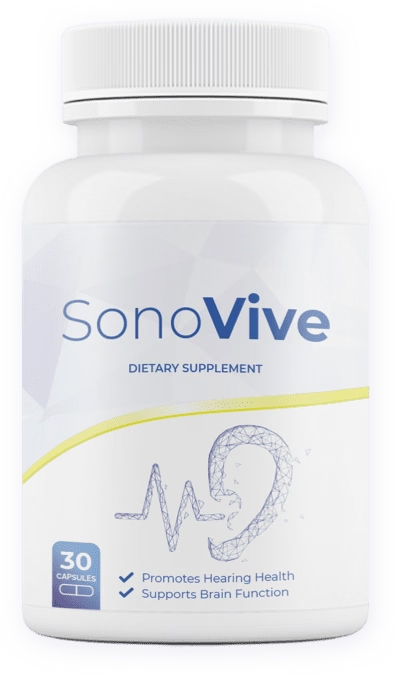
★★★☆☆
SonoVive reviewSonoVive is a fully disclosed capsule of St. John's wort, bacopa, ginkgo, phosphatidylserine, acetyl-L-carnitine, L-glutamine, vinpocetine a...
Reader reviews
No reader reviews yet. If you have tried Phosphatidylserine, you can be the first to share how it went.
Reader reviews are personal opinions from visitors. We do not verify purchases, and reviews are not medical advice. We publish positive and negative reviews alike; see our review guidelines.