What is alpha-GPC?
Alpha-GPC, short for L-alpha-glycerylphosphorylcholine and also called choline alfoscerate, is a natural choline compound found in small amounts in the body and in foods. Choline is an essential nutrient that the body uses to build cell membranes and to make acetylcholine, a chemical messenger involved in memory, attention and muscle control. Alpha-GPC is a particularly concentrated source of choline: by weight, about 40 percent of the molecule is choline. In supplements it is usually made from soy or sunflower lecithin and sold as a powder, often in a 50 percent standardized form that is blended with a carrier.
Because alpha-GPC delivers choline that can be used in the brain, it has become a common ingredient in nootropic, focus and sports formulas. In some European countries it has been used as a prescription medicine for cognitive decline, while in the United States it is sold as a dietary supplement.
What the research says
The best known clinical trial is a multicenter, double-blind, placebo-controlled study published in 2003. It enrolled 261 older adults with mild to moderate Alzheimer’s dementia, who took 400 mg of alpha-GPC three times a day (1,200 mg daily) or placebo for 180 days. The alpha-GPC group showed better scores on several cognitive scales than the placebo group. This was a study in people with a diagnosed condition, so it tells us about how the compound behaves in the brain rather than about effects in healthy adults.
Research in healthy people is newer and smaller. In a 2024 randomized, double-blind, crossover trial, 20 young resistance-trained men took a single dose of 315 mg or 630 mg of alpha-GPC or placebo. Sixty minutes later, both doses improved Stroop test scores, a measure of attention and mental processing speed, compared with placebo, while other cognitive tests did not change significantly. These are short-term results in a small group, so they point to acute effects rather than long-term benefits.
Overall, alpha-GPC has more human research than many nootropic ingredients, but most of it involves older adults with cognitive conditions or small, short studies in young people. More long-term research in healthy middle-aged and older adults is needed.
How it’s used in supplements
Studies have used 300 to 1,200 mg a day, usually split into two or three doses. Brain and focus formulas often include 150 to 600 mg. Alpha-GPC is generally well tolerated; reported side effects include headache, heartburn, dizziness and lowered blood pressure in some people. Choline compounds can be converted by gut bacteria into TMAO, a compound researchers are studying in relation to heart health, so people with heart disease may want to discuss long-term use with their doctor. Anyone who is pregnant or breastfeeding, or who takes medicines that affect acetylcholine, such as some dementia drugs or anticholinergic medicines, should talk to a doctor before using it.
Safety and cautions
Generally well tolerated; may cause headache, heartburn, dizziness or lower blood pressure. Talk to your doctor if you are pregnant, breastfeeding, have heart disease or take dementia or anticholinergic medicines.
Supplements we reviewed that contain it
★★★☆☆
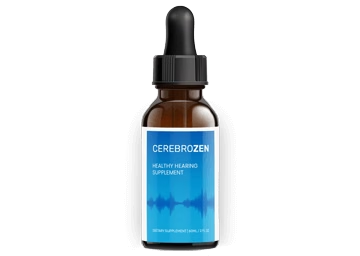
CerebroZen reviewCerebroZen is a daily liquid supplement for hearing and brain support with ginkgo, magnesium, NAC, glutathione, CoQ10, alpha-GPC and lion's ...
Reader reviews
No reader reviews yet. If you have tried Alpha-GPC, you can be the first to share how it went.
Reader reviews are personal opinions from visitors. We do not verify purchases, and reviews are not medical advice. We publish positive and negative reviews alike; see our review guidelines.
Write a review
Sources
- Cognitive improvement in mild to moderate Alzheimer's dementia after treatment with the acetylcholine precursor choline alfoscerate: a multicenter, double-blind, randomized, placebo-controlled trial. Clin Ther, 2003
- Acute Alpha-Glycerylphosphorylcholine Supplementation Enhances Cognitive Performance in Healthy Men. Nutrients, 2024